


Reports of landslides often follow wildfires, causing additional tragedies and further devastation. On the surface, the connection between fires and landslides can seem unclear – but the link lies in the loss of roots and vegetation that normally keep the underlying soil in place. Understanding the risk of landslides in your area can help you prepare, and if you’ve already suffered losses, a California wildfire lawyer can help you navigate the complex path to recovery.
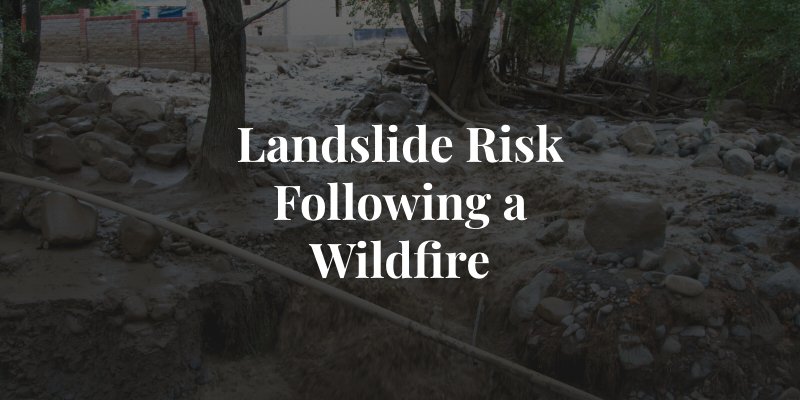
How Do Fires Lead to Landslides?
Wildfires cause land instability by reducing critical natural structures to ashes. Under normal conditions, a landscape may have thick undergrowth, vegetation and root systems that work together to keep dirt and soil solidly in place. When these landscape elements are burned away, the soil can become loose and unstable.
In this situation, the land becomes at risk of displacement. Tree roots grow brittle and fail to provide proper soil cohesion. Soil erosion can then easily occur in normal rainwater, diminishing the topsoil and causing greater losses at lower levels. This diminishment of underground structures further increases the odds of a landslide, especially on a slope or downgrade.
Flash Flood Risks After a Wildfire
Another risk related to wildfires and landslides is the possibility of flooding and debris flows. Wildfires not only burn away vegetation but also change the actual properties of the soil. After a fire, the soil tends to repel water and block absorption (hydrophobic).
When rain falls, it can create rapid surface runoff and flooding rather than the soil absorbing the water as it should – further contributing to landslide and debris flow risks. The timing of heavy rain after a wildfire is crucial when determining flood risks.
Debris flow events can be sudden and occur with little warning. They can have the power to damage and displace structures, strip vegetation, block roads, and endanger lives. If you live in a fire zone that is susceptible to flooding and debris flows, you may need to remain evacuated even after the wildfire danger has passed.
Are You in a Landslide Hazard Zone?
Landslide activity and flooding can be difficult to predict in the aftermath of a fire. If you live in an area that has been affected by wildfires, pay close attention to the terrain surrounding your land and the weather forecasts. The combination of lost vegetation and rainfall puts you at risk of landslides.
Common risk factors include:
- Wildfires on or around your property
- Burned acreage near your home (causing weakened soil)
- A loss of dense vegetation
- An especially intense fire that burns all vegetation
- Steep terrain, slopes, hills or mountains
- Sudden and heavy rainfall following a fire
Studies show that it takes approximately five years for vegetation to recover enough from a wildfire to stabilize the soil and return the landslide risk to the same levels as unburned areas.
The Effects of a Landslide on Your Home and Community
Landslide damage can be just as devastating – or even more so – as the wildfire itself. You may experience severe and costly property damage to your home, vehicle, outbuildings or business. Important infrastructure in your community may also be impacted, such as roads and bridges. Habitat losses and environmental disruptions can also threaten local wildlife.
You may be eligible for financial compensation for all of your wildfire-related losses, including those caused by subsequent landslides or flash floods, either through an insurance claim or by holding a party such as a utility company accountable. Contact a wildfire attorney to learn more.